Being A Life Coach: Key Qualities to Find in a Personal Coach
Personal Coaching Business: Personal Development Guidance Assists You Open Your Complete Potential And Accomplish Your Objectives
Meaning and Introduction
Just what is life coaching!.?.!? At its core, it's a dynamic collaboration in between a coach and a client, targeted at opening potential and firing up transformation. Envision standing on the edge of a huge forest, not sure which course leads to your wanted location. A life coach serves as a compass, helping you browse those twisting routes with clarity and self-confidence.
The Essence of Life Coaching
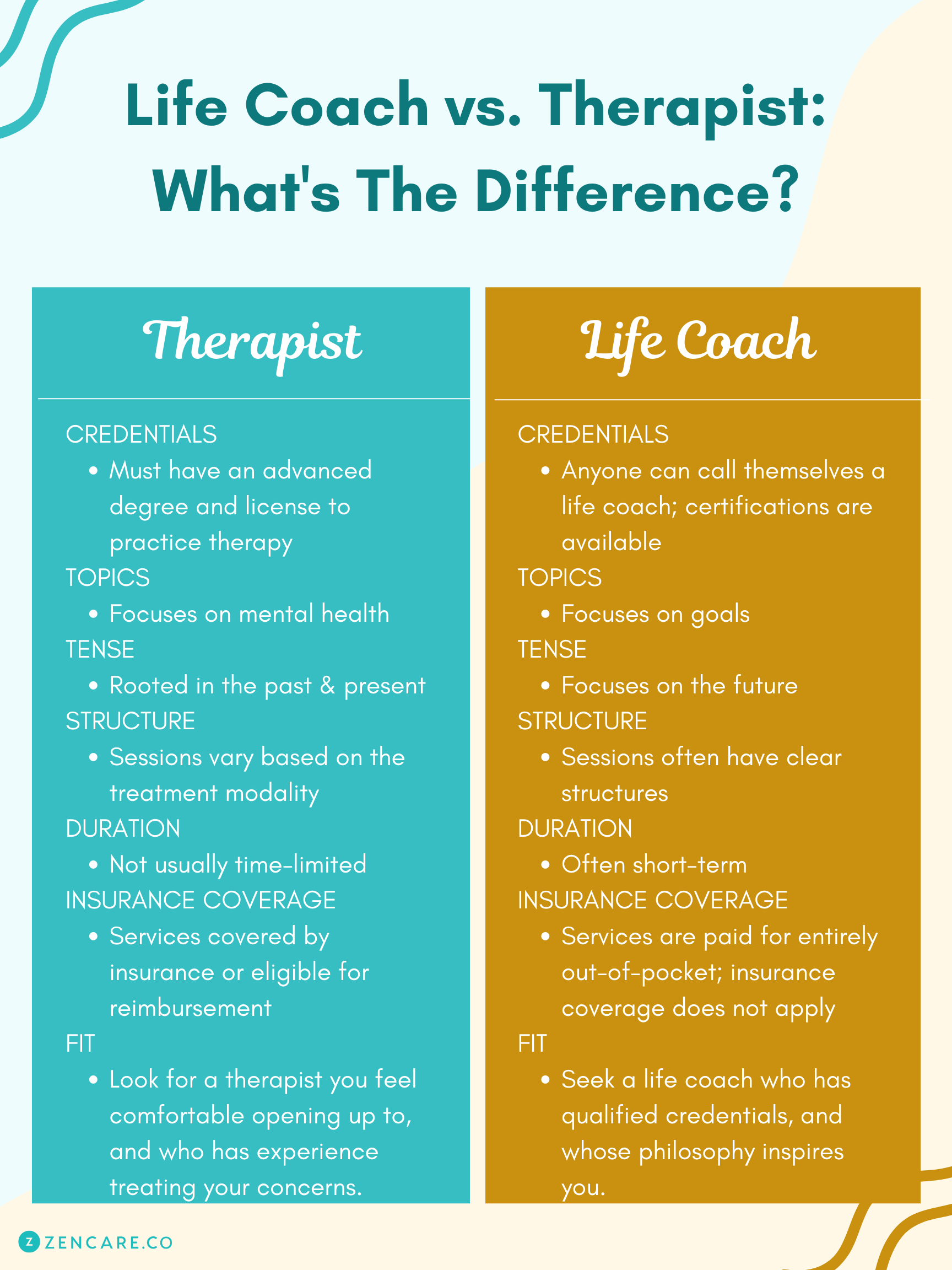
Unlike treatment or mentoring, life coaching nos in on today and future, not the past. It's about asking the best concerns: What do you want? What's holding you back? How can you break devoid of restricting beliefs? These questions spark self-discovery and actionable strategies.
Key Components
- Setting goal: Specifying clear, measurable objectives.
- Responsibility: Tracking progress and preserving focus.
- Empowerment through self-awareness and resilience.
- Strategic preparing customized to private strengths.
Anecdote
Think about Sarah, overwhelmed by profession crossroads. Through coaching, she understood her "impossible" dream was just an action away-- she simply required to reframe her frame of mind and prioritize her values. Could you be one development discussion away from a completely new viewpoint?
Tracing the Roots of Life Coaching
Before the term life coaching was popularized, hunters of change frequently turned to coaches or theorists. Envision ancient thinkers like Socrates, who utilized penetrating questions to unlock concealed potential-- doesn't modern coaching echo this classic pursuit? The evolution of life coaching links psychology, inspiration, and personal advancement, weaving a tapestry that reflects mankind's unlimited strive for development.
Milestones in Life Coaching's Evolution
- 1960s: Introduction of humanistic psychology, emphasizing individual capacity.
- 1980s: Introduction of efficiency coaching in sports and business.
- 1990s: Life coaching blooms as a distinct occupation, incorporating NLP and goal-setting theories.
- 2000s: Accreditation programs standardize practices, cultivating credibility.
Professional Insights on Advancement
Numerous assume that coaching is practically setting objectives. Have you noticed how effective coaches unlock subconscious barriers? The subtle art depends on browsing the unspoken-- those internal stories that mess up progress. For example, a client as soon as shared how welcoming vulnerability during sessions moved their entire state of mind. This is no coincidence; it's the transformative alchemy of trust and tactical questioning.
| Age | Secret Influence | Influence On Life Coaching |
|---|---|---|
| 1960s | Humanistic Psychology | Concentrate on self-actualization and personal potential |
| 1980s | Sports & & Efficiency Coaching | Goal-oriented methods and responsibility |
| 1990s | Neuro-Linguistic Programs (NLP) | Tools for reframing thoughts and behaviors |
| 2000s | Accreditation Standards | Professionalism and ethical guidelines |
Ever wondered why some coaching discussions linger in your mind long after they end? The answer lies in the deliberate use of language patterns and emotional resonance, methods refined over decades. Experts often recommend blending intuitive listening with structured inquiry-- this dual approach nurtures both clearness and imagination. As life coaching continues to develop, its history reminds us to honor both ancient wisdom and modern innovation.
Core Principles and Techniques
Have you ever saw how the act of goal-setting transforms unclear wishes into actionable strategies? Life coaching grows on this alchemy, turning nebulous dreams into concrete steps. One principle that often goes undetected is the power of reflective listening. Instead of providing services, a coach mirrors back the customer's sensations and thoughts, developing space for genuine insight. Picture a client stuck in indecision; the coach's role isn't to direct but to assist them hear their own voice more plainly.
Methods like the GROW model offer a structured course: Objective, Reality, Options, Will. Proficiency lies in knowing when to break this mold. Sometimes, a seemingly unrelated metaphor or a sudden shift in questioning style can unlock surprise point of views. For example, asking "If your future self could send you recommendations today, what would it state?" can reveal subconscious barriers.
Important Practices for Efficiency
- Active questioning that obstacles limiting beliefs
- Establishing responsibility without judgment
- Balancing empathy with tactical foresight
- Motivating micro-commitments to develop momentum
One subtle however extensive insight: coaching isn't about filling a space however sparking dormant capacity. When customers feel heard and empowered, resistance fades. Ever questioned why some clients resist change regardless of clarity? Frequently, it's worry camouflaged as comfort. Coaches knowledgeable in recognizing these emotional barricades can guide customers to carefully face them, turning doubt into action.
Exploring Ranges of Life Coaching
Ever felt stuck in a loop, questioning which course to take next? Life coaching divides into varied branches, each attending to particular personal growth elements. Consider career coaching: it's not almost landing that task however shaping a trajectory that resonates deeply with your worths. Or Certified Life Coach ponder relationship coaching, where interaction acts as the bridge over unstable waters.
Here are some nuanced types worth keeping in mind:
- Health coaching: Beyond diet plan and workout-- it's about syncing mind, body, and spirit.
- Executive coaching: Tailored for management refinement and browsing business mazes.
- Spiritual coaching: Directing candidates through existential crossroads and inner clearness.
Isn't it curious how one's goals might need a blend of these? Remember, coaching isn't a one-size-fits-all sweater; it's a bespoke suit crafted for your distinct shapes. A subtle suggestion from the field: constantly clarify your coach's expertise to avoid wandering in vague territories. Why go for generic guidance when accuracy opens transformation?
Opening Potential: How Life Coaching Changes
Ever felt stuck in a loop where objectives seem tantalizing yet inaccessible? Life coaching carves a course through the fog by honing focus and sparking motivation. Envision a garden enthusiast pruning branches to stimulate growth-- likewise, a coach assists you trim mental mess, promoting clearness. This isn't about quick repairs; it's about sustainable change rooted in accountability and insight.
Why Does Life Coaching Work?
At its core, coaching use the power of intentional dialogue. Concerns like "What's actually holding you back?" unsettle complacency and provoke brand-new viewpoints. When the typical responses stop working, life coaching motivates you to rewrite your story. It's a dynamic process where the coach serves as a mirror, showing hidden strengths and blind spots alike.
Professional Tips to Make The Most Of Efficiency
- Set micro-goals: Break down aspirations into workable actions to construct momentum.
- Take part in reflective journaling post-session to deepen insights.
- Welcome discomfort as a signal of development, not failure.
- Regularly review and adjust your action strategy to remain lined up with progressing priorities.
Determining Effect Beyond Surface Area Metrics
| Element | Before Coaching | After Coaching |
|---|---|---|
| Self-awareness | Minimal acknowledgment of internal barriers | Heightened understanding of emotions and sets off |
| Decision-making | Reactive and irregular choices | Deliberate, confident, and values-aligned choices |
| Goal Accomplishment | Frequent procrastination and ambiguity | Clear turning points with sustained development |
Doesn't the idea of having a dedicated ally to dissect your mindset appear revolutionary? Conquering the hesitation to ask for help often marks the first leap towards empowerment. As one client as soon as stated, "It resembles finding a map when you believed you were wandering aimlessly." That map is the plan life coaching offers-- one that deciphers intricacy and cultivates genuine growth.
Training and Accreditation in Life Coaching
Have you ever questioned why some life coaches seem easily user-friendly, while others stumble through generic recommendations? The secret lies in rigorous training and accreditation procedures designed to hone crucial skills. The path is not just about ticking boxes; it has to do with mastering strategies that change lives. Lots of hopeful coaches ignore the complexity of finding out to ask the ideal concerns-- an ability that can unravel deep-seated beliefs and open fresh perspectives.
Consider this: a well-structured certification program typically includes more than theoretical understanding. It demands immersive role-playing, real client sessions, and reflective journaling. These methods hone a coach's ability to listen deeply and respond authentically. Without such training, even the finest intentions can fail.
Specialist Tips for Navigating Accreditation
- Pick programs stressing useful application over rote memorization.
- Search for curricula incorporating neuroscience and psychology for a holistic technique.
- Look for out mentors who challenge your presumptions and encourage vulnerability.
- Engage in peer coaching to improve feedback abilities and develop empathy.
Why does accreditation matter beyond a fancy credential? It produces a structure of trust in between coach and customer. Imagine walking into a session where your coach's concerns feel like keys unlocking your own knowledge. That level of know-how doesn't appear overnight; it's crafted through disciplined training and continuous learning.
Ethical Factors To Consider in Life Coaching
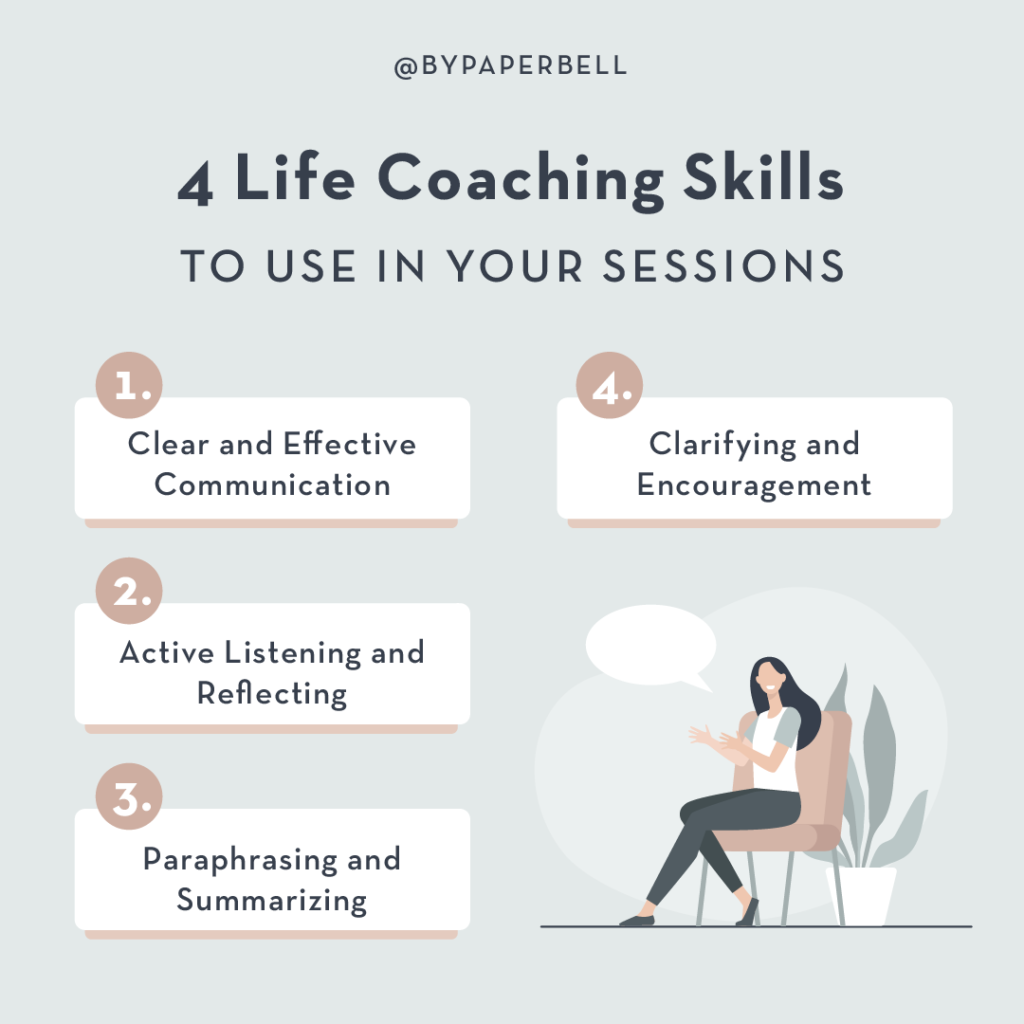
What happens when a life coach crosses the great line between assistance and overreach? Envision a coach who, eager to assist, accidentally imposes personal beliefs on a customer. This subtle intrusion can erode trust, the cornerstone of any coaching relationship. Preserving confidentiality isn't simply a finest practice-- it's an unspoken pact. Clients share their inmost fears and goals; mishandling this spiritual information fractures the very structure needed for development.
Professionals emphasize the importance of clear boundaries. Here are critical ethical concepts every coach need to internalize:
- Transparency: Plainly specify roles to prevent confusion in between coaching, therapy, or mentoring.
- Regard customer autonomy-- empower, do not dictate decisions.
- Acknowledge limits; refer customers to professionals when problems exceed coaching scope.
- Practice continuous self-reflection to safeguard against unconscious bias.
One subtle trap? Over-promising results. Coaching is a journey, not a magic wand. Ethical coaches accept uncertainty and foster strength rather of assurances. How often do coaches challenge their own presumptions before recommending? This self-questioning safeguards customers from being nudged toward courses misaligned with their genuine selves.
Revealing the Subtleties Behind Life Coaching's Critiques
Why does life coaching typically deal with hesitation regardless of its growing popularity? Some argue it promises change without concrete tools. The reality lies in nuanced understanding. Envision a tourist handed a map however no compass-- without self-awareness, the map is simply paper. Coaches need to adjust their approaches to each individual's internal compass, not simply use generic advice.
Dealing with the mental fog clients wrestle with is essential. Here's a secret numerous ignore: the journey isn't linear. Development can zigzag, which irritates those anticipating fast fixes. The expert idea? Emphasize iterative reflection over immediate results. Ask, "What small shift changed your point of view today?" This concern unlocks insights concealed underneath surface-level objectives.
Strategies to Navigate Coaching Complexities
- Clarify Expectations: Define what coaching can realistically attain early on.
- Motivate Responsibility: Self-driven actions outshine passive hope.
- Highlight Emotional Intelligence: Coaches who promote psychological literacy improve customer resilience.
- Customize Frameworks: Avoid one-size-fits-all; tailor approaches to personality and context.
- Promote Constant Feedback: Adjust sessions dynamically to customer needs.
Numerous customers stumble by measuring success through external validation rather than intrinsic development. A useful metaphor: life coaching isn't a magic wand but a mirror showing one's untapped capacity. When that mirror fractures under unrealistic pressure, disillusionment sets in. Cultivating patience along with aspiration is essential.
Emerging Horizons in Life Coaching
Think of a world where AI-driven analytics decipher your emotional patterns before you even understand them yourself. This isn't sci-fi-- it's sneaking into the realm of life coaching. Will coaches soon depend on information streams and biometric feedback to customize sessions with razor-sharp precision? The notion may agitate traditionalists but rejuvenates those craving deeper, personalized improvement.
What about virtual truth immersion? Photo customers entering a simulated environment created to face worries or practice success situations. This immersive strategy, blending neuroscience and experiential knowing, is a game changer. It requires you to ask: How far can technology go in facilitating genuine self-discovery?
Tech-Enhanced Coaching Tools
- AI-powered chatbots supplying 24/7 micro-coaching pushes
- Wearables monitoring tension and focus levels for real-time interventions
- Interactive journaling apps integrated with belief analysis
- Virtual group coaching platforms enabling international peer synergy
Nevertheless, the essence of coaching-- compassion, intuition, and human connection-- should remain undamaged. A story: a customer as soon as informed me how a VR session helped them rehearse a tough conversation, turning anxiety into empowerment. This blend of development with heart is where future life coaching flourishes.